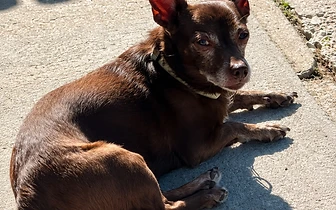
Caring for a Senior Dog's Aging Joints
Simple home adjustments and gentle routines that keep older dogs comfortable and mobile through their golden years.
As dogs get older, it is common for them to slow down, become a little stiffer after resting or take more time getting up from their favourite sleeping spot.
Changes in mobility can be a normal part of aging, but joint discomfort and conditions such as arthritis can also become increasingly common in senior dogs.
The good news is that small changes around the home, along with appropriate exercise and veterinary care, can make a meaningful difference in your senior dog's comfort and quality of life.
Whether your dog is beginning to show signs of stiffness or has already been diagnosed with a joint condition, creating a supportive environment can help them continue enjoying their golden years.
Recognizing Changes in Your Senior Dog's Mobility
Senior dogs don't always show discomfort in obvious ways.
Instead, you may notice subtle changes in their normal behaviour or routine.
Signs that your older dog may be experiencing joint discomfort or reduced mobility can include:
- Taking longer to stand up after sleeping
- Hesitating before using stairs
- Moving more slowly on walks
- Difficulty jumping onto furniture or into a vehicle
- Limping or stiffness
- Sleeping more than usual
- Being reluctant to play
- Avoiding slippery flooring
- Having difficulty finding a comfortable sleeping position
- Becoming less interested in longer walks or physical activity
A change in mobility does not automatically mean arthritis, so significant or sudden changes should always be discussed with your veterinarian.
Early assessment can help identify whether your dog's discomfort is caused by aging joints, arthritis, an injury or another medical condition.
Create a Comfortable Place for Your Senior Dog to Rest

Rest becomes increasingly important as dogs age.
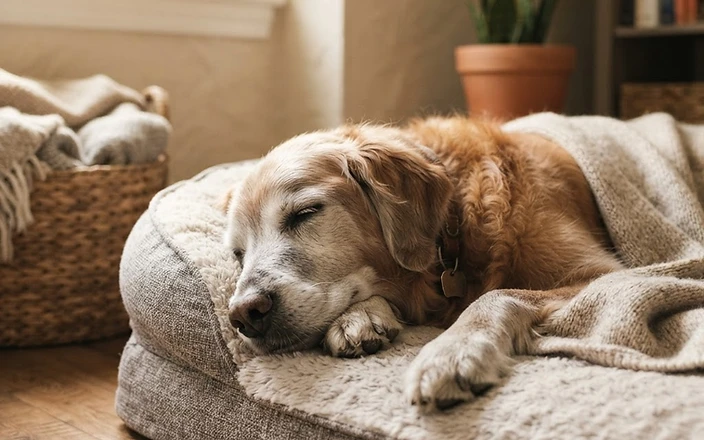
Providing a soft, supportive sleeping area can help reduce pressure on sore joints and make it easier for your senior dog to settle comfortably.
Orthopedic dog beds or beds made from supportive foam can be particularly helpful for dogs experiencing stiffness or arthritis.
Place your dog's bed somewhere warm, quiet and free from drafts.
Many senior dogs also appreciate having several comfortable resting areas throughout the home so they don't need to climb stairs or travel far when they want to lie down.
If your dog struggles to step into a high-sided bed, consider choosing a lower-profile option that is easier to access.
Make Slippery Floors Safer for Older Dogs
Hardwood, laminate and tile flooring can become challenging for senior dogs.
Older dogs may have reduced muscle strength, balance or confidence, making slippery surfaces difficult to navigate.
Adding rugs, runners, carpet tiles or non-slip mats to frequently travelled areas can give your dog better traction.
Pay particular attention to areas around:
- Food and water dishes
- Doorways
- Stairs
- Your dog's bed
- Hallways
- Favourite sleeping spots
- Routes your dog regularly uses to go outside
Improving traction can make it easier for your dog to stand up, walk confidently and reduce the risk of slipping.
Keep Your Senior Dog Moving With Gentle Exercise
It can be tempting to drastically reduce activity when an older dog develops stiffness, but appropriate movement remains important.
Regular exercise helps maintain muscle strength, mobility and overall health.
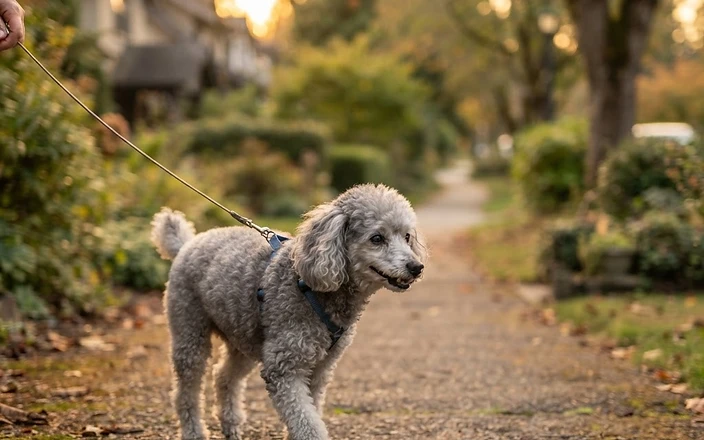
For many senior dogs, shorter and more frequent walks are more comfortable than one long outing.
Instead of pushing your dog to complete a particular distance, allow them to set the pace.
Give them plenty of opportunities to stop, sniff and rest when needed.
Short, Consistent Walks
A few gentle walks spread throughout the day may be easier on aging joints than one long walk.
Consistency is often more valuable than intensity.
A leisurely neighbourhood walk can provide physical activity, mental enrichment and valuable one-on-one time with your dog.
Low-Impact Activities
Low-impact activities can allow senior dogs to exercise without placing unnecessary stress on their joints.
Depending on your dog's health and your veterinarian's recommendations, activities may include:
- Gentle walking
- Controlled swimming
- Slow movement through shallow water
- Easy indoor enrichment activities
- Gentle mobility exercises
Swimming can be an excellent low-impact activity for some dogs because the water supports their body weight while allowing them to use their muscles.
However, not every senior dog is a strong swimmer. Always supervise your dog closely around water and consider their individual health and mobility.
Gentle Stretching and Mobility Exercises
Some senior dogs may benefit from gentle stretching or veterinarian-recommended mobility exercises.
These activities can help maintain flexibility and encourage comfortable movement.
However, avoid forcing your dog's legs or joints into unfamiliar positions.
A veterinarian, rehabilitation veterinarian or qualified canine rehabilitation professional can recommend exercises appropriate for your dog's condition.
Even everyday activities such as slowly changing positions, walking short distances and comfortably moving around the home can help keep your senior dog engaged.
Help Your Senior Dog Maintain a Healthy Weight
Maintaining a healthy body weight is especially important for older dogs experiencing joint problems.
Extra weight places additional stress on joints every time your dog walks, stands or climbs stairs.
Even a relatively small amount of excess weight can make movement more difficult for a dog already experiencing stiffness.
If you're unsure whether your senior dog is at an appropriate weight, speak with your veterinarian.
They can help determine your dog's ideal weight and recommend an appropriate feeding plan.
Weight management should focus on gradual, healthy changes rather than dramatically reducing food.
Ask Your Veterinarian About Joint Supplements
Some senior dogs may benefit from nutritional supplements designed to support joint health.
Common ingredients found in joint supplements may include:
- Glucosamine
- Chondroitin
- Omega-3 fatty acids
- Green-lipped mussel
- Other veterinarian-recommended joint-support ingredients
However, supplements are not appropriate for every dog and quality can vary between products.
Before adding supplements to your senior dog's routine, speak with your veterinarian about what may be appropriate based on your dog's age, health, medications and medical history.
Your veterinarian may also recommend other approaches for managing arthritis or chronic joint discomfort.
Changes in mobility can have many causes. If your senior dog develops new or worsening stiffness, pain or difficulty moving, speak with your veterinarian for an appropriate assessment.
Consider Ramps and Steps Around the Home
Jumping can become increasingly difficult as dogs age.
A ramp or set of pet steps can help some senior dogs continue accessing favourite areas without repeatedly jumping.
These can be especially helpful for:
- Getting into and out of vehicles
- Accessing a favourite couch
- Navigating a small set of stairs
- Reaching beds or elevated resting areas
Make sure ramps have a non-slip surface and are positioned at an angle your dog can comfortably manage.
Some senior dogs need time and encouragement to learn how to use them.
Keep Your Senior Dog's Nails Trimmed
Nail length can affect how comfortably a dog walks.
When nails become too long, they can change the way a dog's feet contact the ground and may make slippery surfaces more difficult to navigate.
Keeping nails at an appropriate length can help senior dogs maintain better footing.
Dogs with reduced mobility may naturally wear their nails down less than younger, more active dogs, so regular nail checks can become increasingly important with age.
Keep Essential Resources Easy to Reach
As mobility changes, consider adjusting your home around your dog's needs.
Your senior dog shouldn't need to climb stairs repeatedly just to access water, food or a comfortable place to rest.
Consider keeping essential resources on the floor or area where your dog spends most of their time. This may include:
- Fresh water
- Food
- Comfortable bedding
- Toys
- Access to the yard
- Medication supplies
- Non-slip flooring
These small changes can make daily life considerably easier for an aging dog.
Pay Attention to Changes in Behaviour
Pain does not always look like limping.
Some dogs become quieter, less social or more hesitant when they're uncomfortable. Others may become restless or irritable.
You know your dog's normal personality better than anyone.
Changes such as avoiding physical contact, difficulty settling, unusual panting, decreased appetite or reluctance to participate in activities they normally enjoy should be taken seriously.
Speak with your veterinarian whenever you notice persistent changes in your senior dog's behaviour or mobility.
When Should You Talk to Your Veterinarian?
Regular veterinary care becomes increasingly important as dogs age.
Schedule an appointment if your senior dog develops:
- Sudden limping
- Significant difficulty standing
- Persistent stiffness
- Pain when touched
- Swollen joints
- A sudden reduction in activity
- Difficulty using stairs
- Trouble getting outside to use the bathroom
- Changes in appetite or behaviour
- Any significant decline in mobility
Never give your dog human pain medication unless a veterinarian specifically instructs you to do so. Some medications commonly used by people can be dangerous for dogs.
Your veterinarian can assess your dog's mobility and recommend an appropriate treatment or management plan.
Small Changes Can Make a Big Difference
Caring for an aging dog often means learning to adjust alongside them.
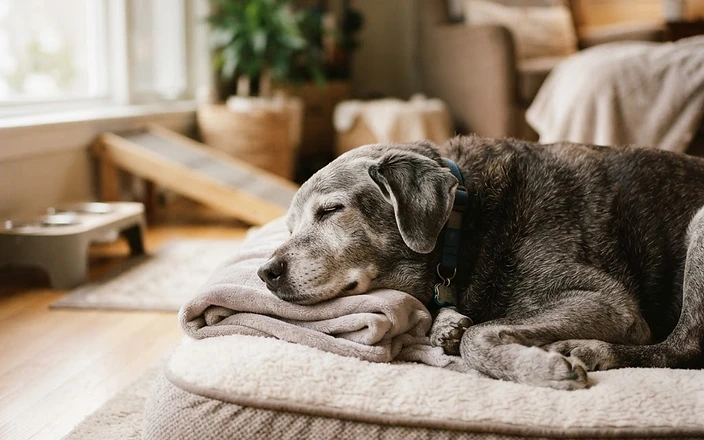
A dog who once enjoyed long hikes may eventually prefer short neighbourhood walks. A dog who used to leap onto the couch may appreciate a ramp. A favourite spot on a hard floor may need a supportive bed and a nearby rug.
These changes don't mean your senior dog's best days are behind them. They simply mean their needs are changing.
With supportive bedding, safer flooring, appropriate exercise, weight management and veterinary guidance, many senior dogs can continue enjoying comfortable, happy and fulfilling lives.
Celebrating the Golden Years
Senior dogs have a special way of reminding us to slow down and enjoy the simple things.
A comfortable bed. A leisurely walk. A favourite treat. A sunny patch on the floor. Or simply sitting beside the person they love.
At Before the Bridge Senior K9 Rescue, we believe every senior dog deserves comfort, dignity and love throughout every stage of their life.
Whether you've shared many years with your senior companion or recently welcomed an older rescue dog into your family, a few thoughtful adjustments can help make their golden years some of their very best.
Help Give a Senior Dog the Comfort They Deserve
Supporting Before the Bridge helps provide senior and special-needs dogs with veterinary care, foster homes and the opportunity to enjoy their next chapter surrounded by love.
Share this story
Know someone who'd love this? Share it or email a friend.